


TL;DR:
- Artify offers museum-quality, personalized wall art with independent artist royalties, customizable framing, and a 3D preview. Choosing the right platform depends on print quality, customization options, and delivery speed, not just price. They provide a straightforward process from photo upload to shipping, supporting high-quality materials and clear specifications.
For gallery-quality, photo-to-art personalized wall decor in the U.S., Artify is the strongest choice available. It converts your photos into museum-grade prints through independent artists, with framing, 3D room previews, and a curated pre-made collection all in one place.
- Museum-grade giclée printing on archival substrates with professional inks, not commodity photo paper
- Personalized framing and sizing chosen at checkout, with a 3D room preview so you see the piece on your actual wall before ordering
- Independent artist royalties built into every order, plus a satisfaction policy that covers returns
Table of Contents
- What do personalized art sites actually sell?
- How do you choose the right personalized art site?
- How does Artify turn your photo into wall art?
- What do custom prints and framed pieces typically cost?
- How to commission custom artwork without wasting time
- Which platform type fits your situation?
- What should you do next?
- How do personalized art sites handle payment and security?
- What happens when something goes wrong?
- Key Takeaways
- Why print quality and preview tools matter more than brand names
- Ready to turn your photo into gallery-quality wall art?
- Useful sources
- FAQ
What do personalized art sites actually sell?
The phrase “personalized art site” covers three meaningfully different business models, and mixing them up leads to disappointment. Understanding what personalized art is and which type of platform delivers it saves you from ordering a $200 canvas that looks like a filtered Instagram photo.
Marketplaces host thousands of independent artists and sellers under one roof. You browse, find an artist whose style fits, and commission directly through the platform’s messaging system. Product variety is wide: fine art prints, canvas, framed prints, hand-painted portraits, and photo-to-art transformations. Best for collectors and buyers who want a specific artistic style and are willing to spend time vetting individual sellers.
Direct-commission services connect you one-to-one with a single artist or a small studio. The process is more personal and the results tend to be more distinctive, but turnaround times are longer and pricing is less predictable. These suit buyers who want a truly unique piece and have a clear creative vision to brief.
Print-on-demand (POD) platforms are the most scalable model. You upload a photo, choose a style or filter, and the platform handles printing and shipping. Quality ranges from basic poster output to genuine giclée on fine art paper, depending on the platform. Gift-givers and budget shoppers gravitate here because the process is fast and the price floor is low.
How do you choose the right personalized art site?
Most buyers compare sites on price alone and regret it. The factors that actually predict satisfaction are print quality, preview tools, and how clearly the site communicates what it is making for you.
- Print and material quality: Look for explicit specs. “Giclée” means archival pigment inks on acid-free substrates. If a site does not list paper weight, ink type, or substrate, that is a red flag.
- Customization depth: Can you choose frame color, mat width, and print size independently? Or are you locked into preset bundles?
- Turnaround and US shipping: Production time and shipping are separate. A site that ships in two days from a domestic facility beats one that produces in three days but ships from overseas.
- Artist communication: For commissions, can you message the artist directly? Is there a revision policy in writing?
- Returns and satisfaction guarantee: Check whether the policy covers color variation and sizing errors, not just damaged goods.
- Trust signals: Customer photos (not just studio shots), visible artist portfolios, and verified reviews all matter more than star ratings alone.
Pro Tip: Before placing a large order, request the material spec sheet or look for a “paper and substrate” FAQ page. A site confident in its print quality will publish these details without prompting.
How does Artify turn your photo into wall art?
The short version: upload a photo, choose a style and artist, configure your frame and size, preview it in 3D, and check out. Production uses museum-grade giclée printing, and the piece ships to your door. The full ordering guide covers file specs and previewing in detail.
- Upload your photo. Artify accepts standard image formats. Higher resolution files produce sharper large-format prints; the help center specifies minimum dimensions by print size.
- Select a style or artist. Choose from available artistic styles or browse the pre-made collections for ready-to-order pieces inspired by pop culture, landmarks, and contemporary trends.
- Preview in 3D. Artify’s room preview tool places the configured piece on a virtual wall so you can judge scale and framing before committing.
- Configure framing and sizing. Frame type, color, mat, and print dimensions are all set independently at checkout. Frame and finish options include multiple materials and mounting styles.
- Production. Orders are printed on archival substrates using pigment-based inks, the standard for museum-grade giclée output.
- Shipping. The finished piece ships directly to you or your gift recipient.
Artify also offers Art Generation Credits for repeat buyers and gift-givers, and a productized starter offering called The Blueprint for buyers who want a structured creative starting point.
What do custom prints and framed pieces typically cost?
Budget prints start at a low price point for unframed poster-grade pieces. Mid-range framed prints on quality paper cost more, and museum-grade giclée on fine art substrates with custom framing is typically the highest priced, varying by size and frame selection. These are general U.S. market norms, not Artify-specific prices.
| Product type | Typical price range | Production time | US shipping window |
|---|---|---|---|
| Unframed print (poster) | $20–$50 | 2–5 business days | 3–4 business days |
| Canvas print | — | 3–4 business days | 4–5 business days |
| Framed fine art print | — | 5–10 business days | 5–10 business days |
| Museum-grade giclée (framed) | — | — | 5–10 business days |
A few timeline realities worth knowing:
- Proofing and revision rounds add 2–4 business days to commission-based orders
- Custom framing is almost always produced separately from the print and joined before shipping, which is why framed orders take longer
- Holiday shipping windows (late November through late December) routinely add 5–10 business days across all product types
- Oversized pieces (above 24×36 inches) may require freight or specialty packaging, which extends delivery
How to commission custom artwork without wasting time
The biggest source of rework in custom art orders is a vague brief. Artists and POD platforms both perform better when you give them specifics up front.
- Prepare your file first. Check minimum resolution requirements before uploading. For a 16×20 print, most platforms recommend at least 2,400×3,000 pixels. Artify’s help center lists exact specs by print size.
- Write a concise creative brief. Include style references (link to examples), mood descriptors, color restrictions, and any elements to exclude. Three sentences beat a paragraph.
- Specify size and framing before you brief. Knowing the final dimensions affects composition. A square crop reads differently than a 2:3 portrait.
- Clarify revision rounds upfront. Most commission platforms offer one or two revision rounds. Ask before you pay, not after the first proof arrives.
- Confirm payment terms and deposits. Standard practice for direct commissions is a 50% deposit before work begins, with the balance due on approval. POD platforms typically charge in full at checkout.
- Get the timeline in writing. A verbal “about two weeks” is not a delivery date. Confirm the production start date and expected ship date.
Pro Tip: Always request a written statement of who owns the final artwork and what usage rights you receive. For personal home display, most commissions transfer display rights but not reproduction rights. If you plan to print multiple copies or use the image commercially, negotiate that in the agreement before work starts.
Which platform type fits your situation?
The right platform type depends on what you are optimizing for: speed, uniqueness, or price.
For gifts and fast turnarounds, POD platforms win. For limited-edition or one-of-a-kind pieces, direct commission is the only real option. For browsing a wide range of styles before committing, a marketplace gives you the most choice.
| Dimension | Marketplace | Direct commission | Print-on-demand |
|---|---|---|---|
| Best for | Collectors, style browsers | Unique one-of-a-kind pieces | Gifts, budget prints, speed |
| Pricing shape | Variable; artist-set | Negotiated; often higher | Fixed; transparent |
| Print & material quality | Varies by seller | High, artist-controlled | Varies widely by platform |
| Customization depth | High (artist-driven) | Maximum | Moderate (style/size/frame) |
| Turnaround (US) | 1–4 weeks | — | 3–14 business days |
| Artist communication | Direct messaging | Direct, ongoing | None or minimal |
| Return policy | Platform-dependent | Rarely accepted | Platform-dependent |
Use-case quick guide:
| Buyer scenario | Best platform type |
|---|---|
| Family portrait as a gift | Print-on-demand (photo-to-art) |
| Pet portrait, hand-painted style | Direct commission |
| Large gallery wall, cohesive theme | Marketplace or POD with style matching |
| Budget-friendly set of prints | Print-on-demand |
| Collector-grade limited edition | Direct commission or curated POD |
What should you do next?
Artify is the recommended pick for U.S. buyers who want gallery-quality personalized wall art with clear material specs, framing options, and a 3D preview before they commit. Here is how to move forward:
- Check your file specs before uploading. Review minimum resolution requirements for your target print size.
- Browse pre-made collections if you want something ready to ship. Artify’s curated collection covers contemporary, pop culture, and landmark-inspired themes.
- Use the 3D room preview to confirm scale and framing. Most sizing regrets happen because buyers skip this step.
- Place your order. For a custom piece, upload your photo and follow the style-selection flow. For a gift, consider Art Generation Credits so the recipient can choose their own piece.
For readers coordinating larger wall installations alongside window treatments. This custom window treatments comparison covers complementary home-styling options.
How do personalized art sites handle payment and security?
Reputable personalized art platforms in the U.S. process payments through PCI-DSS-compliant gateways. In practice, that means your card data is never stored on the platform’s own servers. Most sites accept major credit cards (Visa, Mastercard, American Express), PayPal, and increasingly Shop Pay or Apple Pay for one-tap checkout.
For commission-based orders, the standard is a split payment: a deposit at the start and the balance on approval. POD platforms charge the full amount at checkout, which is why a clear return policy matters more on those sites.
Look for HTTPS on every checkout page and a visible privacy policy that explains how your uploaded photos are stored and used. Some platforms retain uploaded images for reprints; others delete them after production. If privacy matters to you, read that policy before you upload.
What happens when something goes wrong?
Customer support quality separates good personalized art platforms from frustrating ones. The best platforms offer at least two contact channels (live chat and email), a documented resolution timeline, and a clear policy on what qualifies for a reprint or refund.
Common dispute triggers in this category: color variation between screen and print, sizing errors, and damage in transit. A platform with a strong policy covers all three. Damage in transit should always result in a free replacement; color variation is trickier and depends on whether the platform provides a color-calibrated preview.
For commission disputes, the resolution process is more complex. Document every brief, revision request, and approval in writing through the platform’s messaging system. That record is your evidence if a dispute escalates to a chargeback. Platforms that host artist commissions should have a formal dispute process; if they do not, that is a meaningful trust signal to weigh before ordering.
Key Takeaways
Artify stands out among personalized art sites for U.S. buyers because it combines museum-grade giclée printing, independent artist royalties, personalized framing, and a 3D room preview in a single, transparent ordering flow.
| Point | Details |
|---|---|
| Verify material specs first | Look for giclée, archival inks, and acid-free substrates before trusting any quality claim. |
| Use 3D previews to avoid sizing regrets | Most returns trace back to scale mismatches that a room preview would have caught. |
| Match platform type to your goal | POD for speed and gifts; direct commission for unique pieces; marketplaces for style variety. |
| Budget realistically | Museum-grade giclée with custom framing is generally at the top end of the U.S. market price range for personalized art. |
| Artify as the recommended pick | Artify offers gallery-grade prints, independent artist support, and framing options in one place. |
Why print quality and preview tools matter more than brand names
Most buyers shopping for personalized wall art focus on the wrong thing. They compare brand recognition or price per square inch, and they end up with a print that looks fine on a phone screen and flat on the wall.
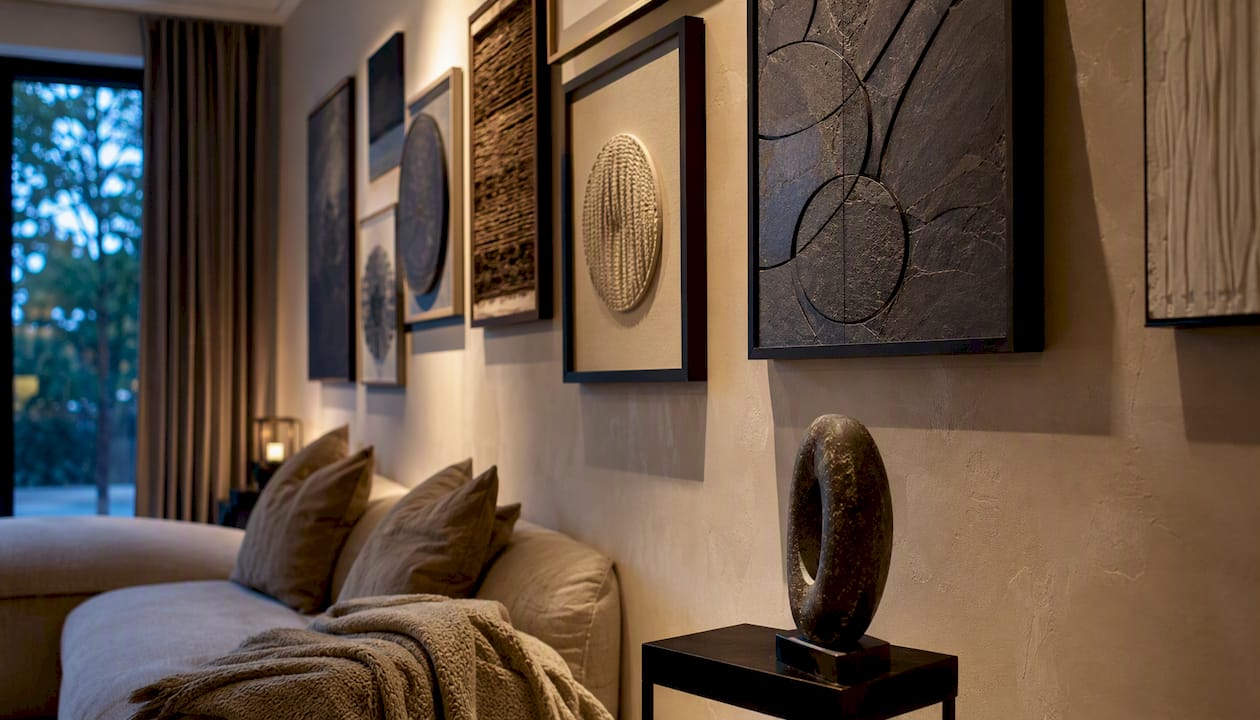
The platforms that consistently produce pieces worth hanging are the ones that publish their material specs openly, offer a real preview tool, and have a financial stake in the artist’s output. A royalty model, where the artist earns on every print, creates a different quality incentive than a platform that treats art as a commodity upload.
Artify’s approach reflects that logic. The 3D room preview is not a gimmick; it is the single feature most likely to prevent a return. The giclée standard is not marketing language; it is a verifiable production spec that separates archival output from commodity printing. And the pre-made collections give buyers who are not ready to commission something a high-quality starting point without the wait.
The role of art in home personalization goes deeper than decoration. The pieces that stay on walls for years are the ones that meant something at the moment of ordering. That is the argument for spending a little more on material quality and a little more time on the brief.
Ready to turn your photo into gallery-quality wall art?
Artify gives you a direct path from a photo on your phone to a framed, museum-grade print on your wall, without the guesswork of vetting individual artists or settling for commodity paper. The 3D room preview shows you exactly what you are getting before you pay. The framing options are real choices, not afterthoughts. And every order supports an independent artist.
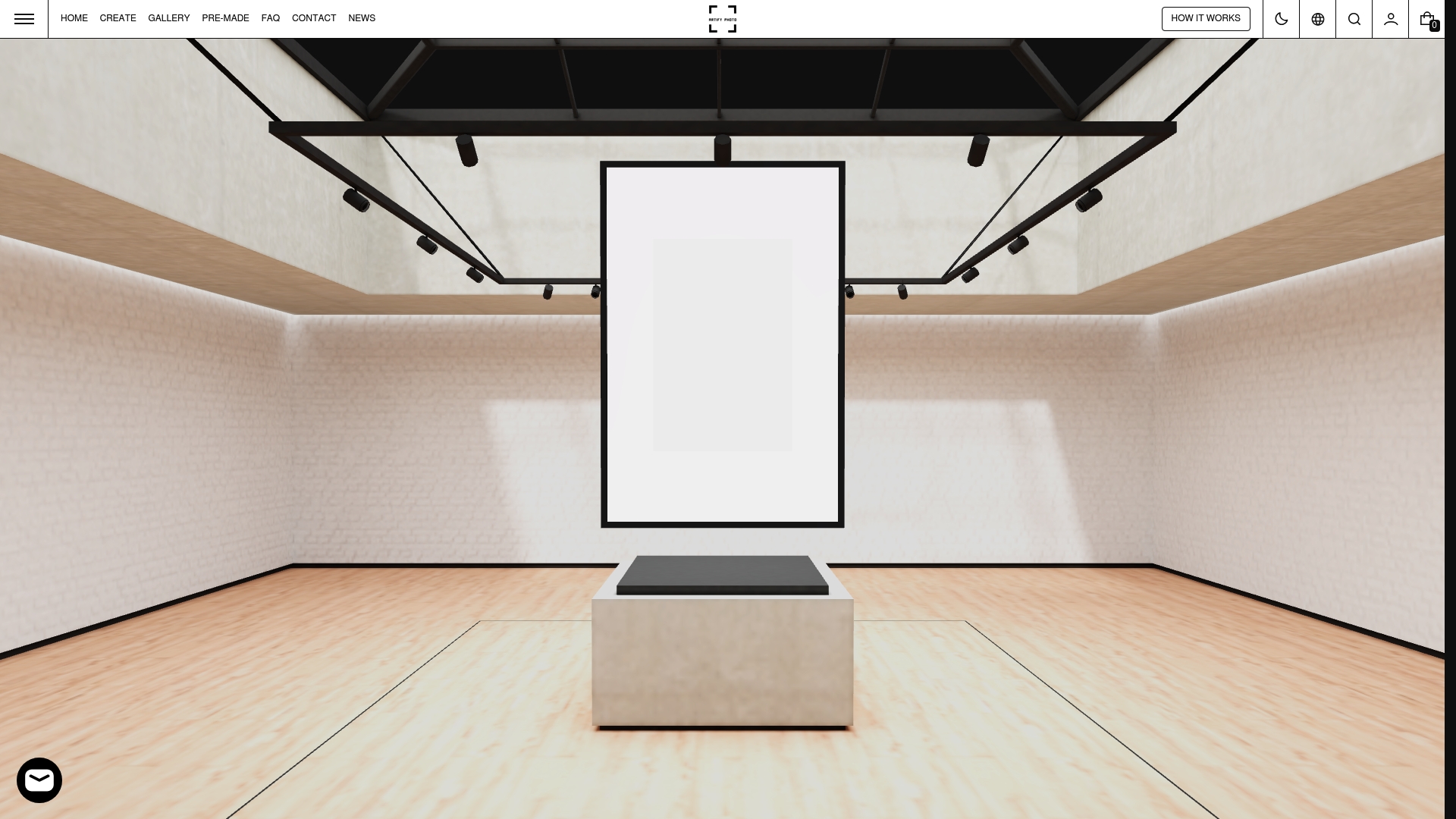
Browse the pre-made collections for ready-to-ship pieces, or upload your own photo and configure a custom piece from scratch. If you are buying for someone else, Art Generation Credits let them choose their own piece on their own timeline.
Useful sources
- What Is Personalized Art? Benefits and Creative Options — Artify’s editorial explainer on the category, creative use cases, and emotional value of personalized pieces.
- The Role of Art in Personalization for Your Home — Styling and placement guidance for selecting sizes and hanging configurations.
- Top 5 Best Custom Wall Art Alternatives 2026 — Artify’s comparative editorial on selection criteria and platform evaluation.
- Why Art Gifts Are Popular: The Emotional Truth — Covers buyer motivations and gift-oriented use cases for personalized art.
- Our Frames — Full descriptions of frame types, finishes, and mounting options available at checkout.
- Pre-made Collections — Curated, ready-to-order pieces across contemporary, pop culture, and landmark themes.
- Pre-made Artworks — Full product catalog showing available formats, sizes, and finish options.
- Creating Your Art — Help-center resource covering upload specs, preview tools, and the full order flow.
- Best Custom Window Treatments – Expert Comparison 2025 — Partner resource for readers coordinating large-format wall art with window treatments and broader room styling.
FAQ
What makes a personalized art site worth trusting?
Look for published material specs (paper type, ink standard), verified customer photos, a visible return policy, and secure HTTPS checkout. Platforms that publish giclée specs and show real customer installations are consistently more reliable than those that rely on studio photography alone.
How long does a custom print order take in the U.S.?
Production typically runs 3–14 business days depending on product type, with shipping adding another 3–10 business days. Framed and museum-grade giclée orders take longer than unframed prints; holiday periods add further delays.
What file resolution do I need for a large custom print?
For a 16×20 print, most platforms recommend a minimum of 2,400×3,000 pixels. Artify’s help center lists exact resolution requirements by print size to prevent pixelation on larger formats.
Does Artify support independent artists?
Yes. Artify’s business model includes royalty payments to independent artists on every print sold, which means the artists have a direct stake in the quality of the output rather than a one-time licensing arrangement.
What is the difference between a giclée print and a standard photo print?
Giclée printing uses archival pigment inks on acid-free substrates, producing color accuracy and longevity that standard dye-based photo printing cannot match. Museum-grade giclée pieces are rated to resist fading for decades under normal display conditions.