


TL;DR:
- Decorative art includes functional objects like ceramics, textiles, glasswork, and wall art that enhance home aesthetics. Consumers in 2026 favor handcrafted, personalized pieces, especially those based on personal photos, over mass-produced decor. Artify transforms personal photos into gallery-quality wall art, supporting independent artists and modern trends.
What are the main types of decorative art for home decor?
Decorative art covers artistic objects that serve both a functional and a visual purpose. Think ceramics, glasswork, textiles, woodwork, metalwork, and wall art. According to Britannica, these are the objects most commonly associated with the field, and they span everything from a hand-thrown stoneware bowl to a gallery-framed canvas print. What sets them apart from fine art is utility. A painting exists to be looked at; a decorative piece earns its place by doing something too.
For anyone building a personalized home in 2026, the distinction matters less than the opportunity. Every one of these categories can carry your story.
Key types of decorative art at a glance:
- Ceramics: Pottery, porcelain, stoneware, and tile. One of the oldest forms, still thriving in handmade studio work.
- Glasswork: Stained glass, blown glass, etched mirrors, and decorative vessels.
- Textiles: Quilts, tapestries, woven wall hangings, embroidery, and macramé.
- Woodwork: Carved panels, marquetry, cabinetry, and sculptural furniture.
- Metalwork: Ironwork, silversmithing, enamelwork, and decorative jewelry.
- Wall art styles: Canvas prints, photographic art, mixed media, and digital prints, including personalized photo-based pieces from platforms like Artify.
Each category has centuries of craft behind it. Each one also adapts to modern tastes, which is exactly why they remain the backbone of home decor.
Table of Contents
- How history and culture shaped decorative art
- What modern trends are reshaping decorative art in 2026
- How to choose the right decorative art for your home
- What Artify offers for personalized decorative wall art
- Artify brings your photos to life as gallery-quality wall art
- FAQ
- Key Takeaways
How history and culture shaped decorative art
The phrase “decorative arts” only became standard vocabulary in the 19th century, when Western critics drew a hard line between fine art (painting, sculpture) and everything else. Before that, no such line existed. A Ming porcelain vase and a Flemish oil painting occupied the same cultural space: both were prized, both were collected, both told you something about their owner.
That 19th-century split had real consequences. Craftspeople were ranked below painters. Objects made for use were considered lesser than objects made purely for contemplation. The National Gallery of Art frames decorative arts as cultural windows into past customs, noting that the historical anonymity of makers contrasts sharply with today’s emphasis on individual artistic identity.
The traditional strict division between decorative and fine art is largely a Western construct. Across East Asia, the Islamic world, and Indigenous American traditions, objects were never sorted into hierarchies of useful versus beautiful. A Japanese lacquer box and a scroll painting were equals. That global perspective is worth holding onto when you’re choosing what goes on your walls.
By the 20th century, the Bauhaus school in Germany pushed back hard against the fine/decorative split, arguing that well-designed everyday objects could improve people’s lives. The Arts and Crafts Movement made a similar case in America and Britain, championing handmade stoneware and wrought-iron candleholders over factory output. Both movements still echo in how we shop for home decor today.
What modern trends are reshaping decorative art in 2026
The clearest shift in recent years is the move away from mass-produced decor toward pieces with a traceable human hand behind them. Consumers increasingly prioritize handcrafted decorative art to acquire unique, emotionally resonant home pieces that mass production simply cannot replicate.
Stat to know: Market research consistently shows strong demand for artist-made, personalized decorative pieces over factory-made goods, with buyers citing emotional connection and uniqueness as the primary drivers.
Photography has become one of the most powerful tools in this shift. Printing a personal photo onto canvas or fine art paper bridges the gap between fine art and decorative arts traditions, giving a functional wall piece the emotional weight of a portrait commission. Artify built its entire model around this idea: upload a photo, choose an artistic style, and receive a gallery-quality print that carries your own history.
Trending decorative styles for 2026 home interiors:
- Art Deco revival: The Victoria and Albert Museum describes Art Deco as a movement that balances tradition and modernity, drawing from ancient cultures, folk art, and avant-garde design simultaneously. Its geometric boldness translates well to modern wall art.
- Maximalist layering: Mixing textiles, ceramics, and framed prints in one room rather than committing to a single medium.
- Nature-inspired motifs: Botanical prints, organic ceramics, and woven wall hangings with earthy tones.
- Personalized photo art: Canvas prints, fine art paper prints, and mixed-media pieces built from personal photographs.
- Handcrafted textiles: Macramé, hand-dyed fabric panels, and artisan quilts as wall installations.
The term “decorative arts” is itself evolving. As digital fabrication grows, the field increasingly overlaps with design disciplines, blurring the line between a handmade ceramic and a digitally printed canvas. For home decorators, that blurring is a feature, not a problem. It means more options, not fewer.
Incorporating textiles into a room is one area where traditional craft and contemporary style meet most naturally. If you’re exploring how woven or natural-material pieces fit alongside wall art, reindeer rugs in modern interiors offer a practical look at how organic textures anchor a contemporary space.
How to choose the right decorative art for your home
Start with the room, not the art. A piece that works in a minimalist bedroom will fight with a maximalist living room. Before you buy anything, ask three questions: Does the style fit the room’s existing palette? Does the material make sense for the space (textiles absorb sound; ceramics and glass reflect light)? And does the piece mean something to you personally?
A practical selection checklist:
- Style compatibility: Match or deliberately contrast with existing furniture and color. Art Deco geometric prints pair well with clean-lined modern furniture; rustic woodwork suits warmer, layered rooms.
- Scale: A single small print on a large wall disappears. Either go large or group smaller pieces.
- Material: Textiles add warmth and texture; metalwork and glass add light and edge; ceramics ground a space.
- Personal resonance: A piece you have a story about will always outlast a piece you bought because it was on trend.
- Mixing categories: Combining a woven textile with a framed photographic print and a ceramic object creates depth that a single-medium room rarely achieves.
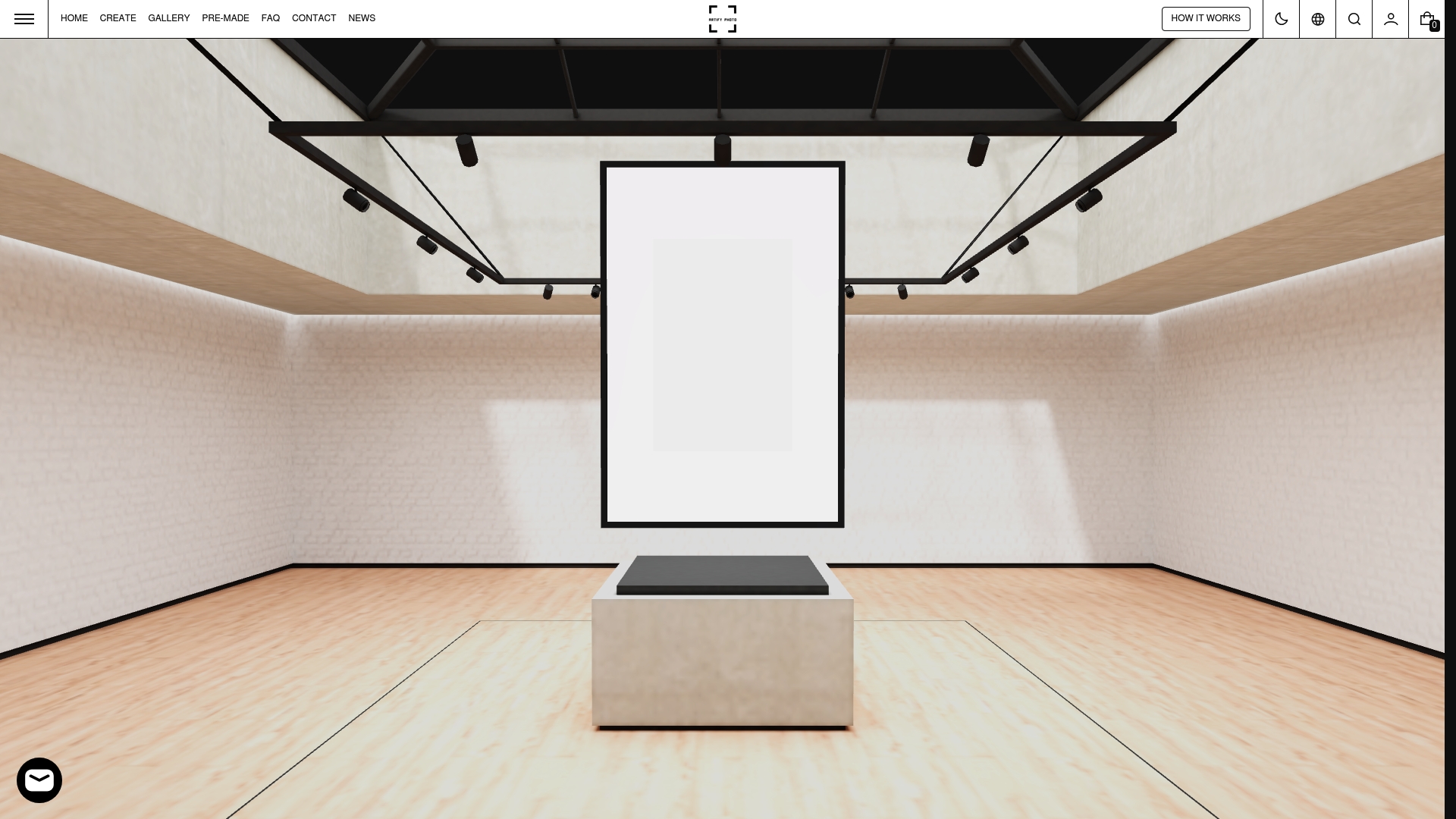
Pro Tip: Before committing to a large canvas print, use Artify’s 3D room preview tool to see exactly how the piece will look on your specific wall. It removes the guesswork that kills most online art purchases.
Personalized photo art fits into this framework at every level. It solves the “personal resonance” criterion automatically. It scales to any wall. And when printed on quality materials with the right framing, it holds its own against any traditionally crafted decorative piece. Browse 2026 home decor trends for specific room-by-room guidance on where different art types land best.
What Artify offers for personalized decorative wall art
Artify sits at the intersection of traditional decorative art values and contemporary personalization. The platform lets you transform a personal photograph into a gallery-quality print, choosing from artistic styles that range from painterly to graphic to photorealistic. Every piece is produced on demand and supported by independent artists, which means you’re not buying a factory print. You’re buying something made.
What sets Artify apart:
- Photo transformation: Upload any personal photo and apply artistic styles that reference everything from impressionism to Art Deco geometry.
- Curated collections: Pre-made art collections inspired by landmarks, pop culture, and contemporary trends, available without customization if you prefer a ready-made piece.
- Independent artist support: Every sale supports the artist behind the style or collection, connecting the purchase to a real creative identity.
- 3D room preview: See the finished piece on your actual wall before ordering.
- Personalized framing: Choose frame style, mat color, and finish to match your room’s existing decor.
- Quality assurance: Gallery-grade printing on archival materials, built to last.
Artify’s approach reflects what the National Gallery of Art identifies as the modern shift in decorative arts: placing the consumer as artist, reconnecting the person who lives with the object to the person who made it. Explore what personalized art can do for a space before you decide.
Artify brings your photos to life as gallery-quality wall art
Most wall art you find in big-box stores was designed to offend no one. That’s exactly why it disappears into a room. Artify takes a different route: your photograph, your memory, rendered in a style you choose, printed at gallery quality, and framed to fit your space.
The pre-made collections cover everything from Art Deco-inspired geometric prints to contemporary photographic art, so you don’t need a personal photo to find something genuinely distinctive. But if you do have a photo worth putting on a wall, Artify’s transformation tools handle the rest, from style selection to framing to delivery.
Browse the full catalog at Artify’s artwork collection and find the piece that actually belongs in your home.
FAQ
What are the main types of decorative art?
The main types include ceramics, glasswork, textiles, woodwork, metalwork, and wall art. Each category covers functional objects designed with aesthetic intent, from hand-thrown pottery to framed canvas prints.

How is decorative art different from fine art?
Fine art (painting, drawing, sculpture) exists primarily for aesthetic contemplation. Decorative art serves a functional purpose as well, though the distinction has blurred significantly since the 19th century.
Can personal photos count as decorative art?
Yes. Printing a personal photograph onto canvas or archival paper bridges fine art and decorative art traditions, creating a functional wall piece with genuine personal meaning. Artify specializes in exactly this.
What decorative art styles are trending in 2026?
Art Deco revival, nature-inspired motifs, handcrafted textiles, and personalized photo art are among the strongest trends. Maximalist layering of multiple art types in one room is also gaining ground.
How do I choose the right decorative art for my home?
Match style to your room’s existing palette, consider material and scale, and prioritize pieces with personal resonance. Mixing categories (textiles, ceramics, framed prints) creates more depth than committing to a single medium.
Key Takeaways
Decorative art encompasses functional, beautiful objects across ceramics, glass, textiles, woodwork, metalwork, and wall art, with personalized photo-based pieces now firmly part that tradition.
| Point | Details |
|---|---|
| Decorative art is functional and beautiful | It covers ceramics, glass, textiles, woodwork, metalwork, and wall art, all designed for use and aesthetic appeal. |
| The fine/decorative split is a modern construct | Many cultures never separated the two; the 19th-century Western distinction is less relevant today. |
| Personalization drives 2026 trends | Consumers prioritize handcrafted and artist-made pieces for emotional connection over mass-produced alternatives. |
| Art Deco remains a key reference point | The V&A describes it as balancing tradition and modernity, making it one of the most adaptable styles for contemporary interiors. |
| Artify connects photos to decorative art tradition | The platform transforms personal photographs into gallery-quality wall art, supported by independent artists and archival printing. |