


TL;DR:
- Statement art is a single, intentional artwork that establishes a room’s focal point, mood, and scale.
- Choosing a statement piece first creates a visual hierarchy and guides the entire room’s design rather than filling space last.
Statement art is a single, intentional artwork chosen to create a clear focal point, establish visual hierarchy, and define a room’s mood and scale. It is not decoration in the background. It is the piece a room is built around.
Three things qualify a piece as true statement art:
- Focal point: It immediately draws the eye and anchors the space.
- Scale: It is sized to the room and furniture, not an afterthought hung to fill a gap.
- Intent: It carries a clear story, emotion, or visual presence that lifts everything around it.
Table of Contents
- What is statement art and why does it work in any room?
- What makes a piece qualify as statement art?
- Which types and styles function as statement art?
- How do you choose and place statement art correctly?
- How do you get a personalized statement piece?
- What materials and finishes work best for statement art?
- Room-by-room styling: what to pair with a statement piece
- Key Takeaways
- Why statement art is worth treating as a design investment
- Your next step toward a personalized statement piece
- FAQ
What is statement art and why does it work in any room?
A statement piece creates visual hierarchy — it gives the eye a place to land so the rest of the room feels organized rather than scattered. Interior designers describe it as the anchor that makes surrounding furniture feel deliberate. Without one, even a well-furnished room can read as a collection of unrelated objects.
The effect is practical, not just aesthetic. One strong piece reduces visual noise. It sets an emotional tone before anyone sits down. A large abstract canvas in warm earth tones can make a living room feel grounded and inviting; a high-contrast black-and-white photograph in the same space would push the energy in a completely different direction. The role of wall art in interior design is often underestimated until a room finally has that one piece that makes everything click.
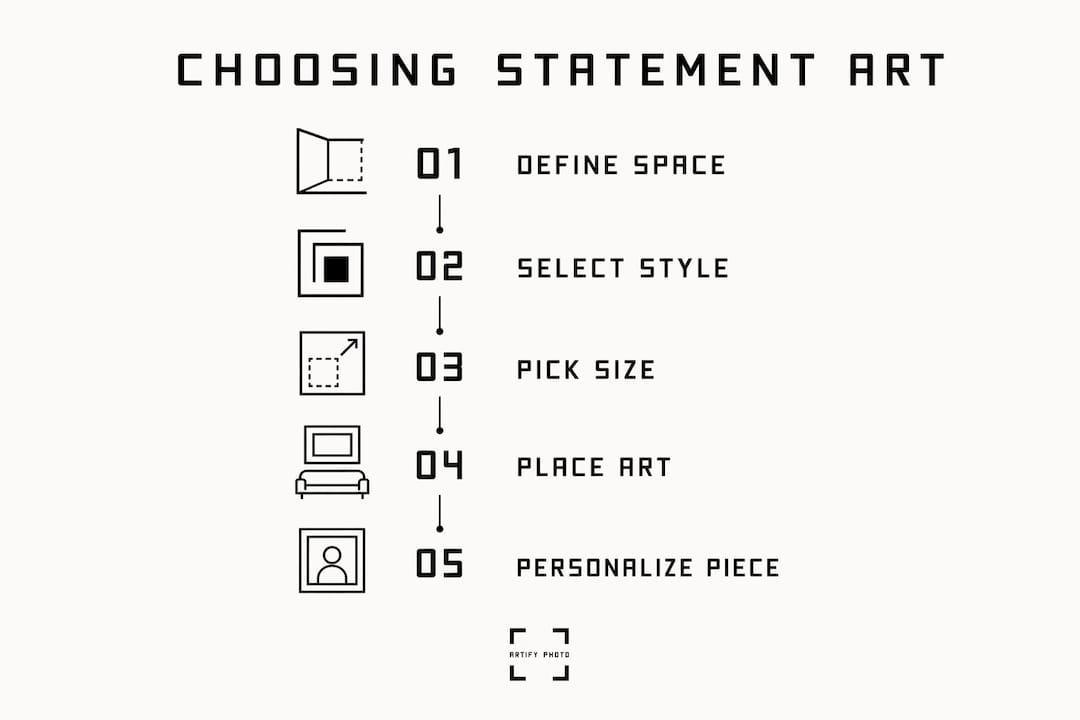
Designers also recommend treating art as an anchor early in the design process, not as a last-minute fill. Choose the statement piece first, then build the room’s color palette and furniture choices around it.
Pro Tip: Resist the urge to add a second dominant piece. One hero artwork per room is the rule. Two competing focal points create tension, not richness.
What makes a piece qualify as statement art?
Presence, emotion, and intentionality are what separate statement art from decorative filler. Size alone does not do it. A small, intensely specific photograph can command a wall. A large generic print can disappear.
The hallmarks to look for:
- Scale relative to furniture: A canvas should span roughly two-thirds to three-quarters of the width of the furniture beneath it, and for open-plan areas, cover about 60–75% of the available wall space.
- Strong compositional focal point: The eye should know immediately where to look.
- Clear intent or story: The piece should feel chosen, not placed.
- Material and texture presence: Textured, hand-painted surfaces read differently than flat prints, especially at distance.
- Uniqueness: A piece that could hang in any hotel lobby is not a statement piece for your home.
Size threshold: Larger pieces are generally recommended as the minimum size for open-plan living rooms. Statement art should cover a significant portion of the free wall space above key furniture.
Which types and styles function as statement art?
The form matters as much as the image. Each type creates a different kind of presence.
Large canvas paintings are the most common choice. They work in almost any room and carry both color and texture. Warm earth-tone abstracts are among the top-selling styles in 2026, and for good reason: they read as calm and grounded without being bland.
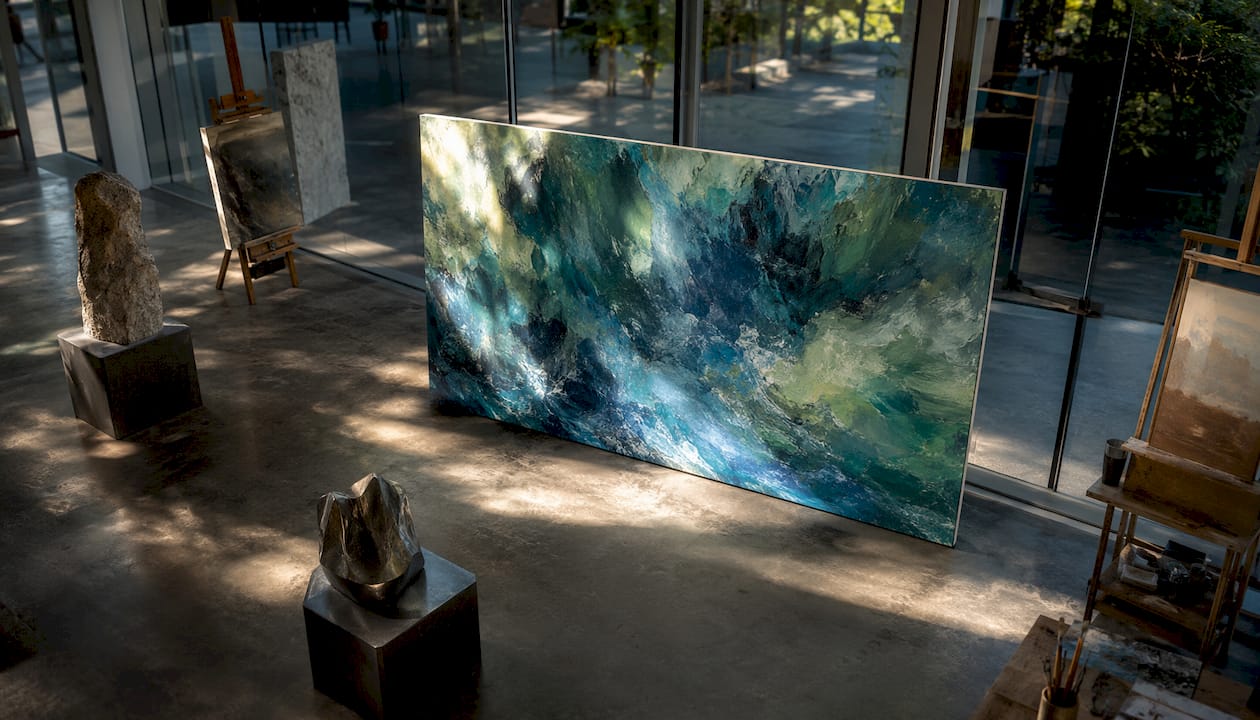
Textured and hand-painted works add a tactile dimension that photography cannot replicate. The surface catches light differently throughout the day, which keeps the piece visually alive.
Large-format photography suits minimalist and modern interiors best. A single oversized print of a landscape or architectural subject creates drama without color complexity. Black-and-white photography in particular adds contrast and focus.
Dimensional wall sculpture pulls the eye outward rather than inward. Metal, wood, and ceramic pieces introduce depth that flat art cannot, and they work especially well in minimalist spaces where the art is the only visual event on the wall.
Oversized mirrors serve double duty: they reflect light and expand perceived space while functioning as a bold visual anchor. A uniquely shaped or heavily framed mirror reads as art, not just utility.
Diptychs and triptychs split a single image or composition across two or three panels. They are useful when a single large canvas would overwhelm a narrower wall, since the visual weight is distributed without losing scale.
How do you choose and place statement art correctly?
The single deciding factor is fit: the piece must match the room’s purpose and physical scale. A piece that is technically beautiful but wrong for the room’s proportions will never feel right.
- Measure the wall and furniture first. Aim for artwork that spans two-thirds to three-quarters of the furniture width beneath it. For open-plan areas, target 60–75% of the available wall space.
- Set the height. Center the artwork at about eye level, which is generally between 57 and 60 inches from the floor to the center of the piece. This is the standard eye-level baseline.
- Adjust for furniture. When hanging above a sofa or console, position the bottom of the frame a few inches above the furniture back to keep the piece visually connected. This keeps the piece visually connected rather than floating.
- Account for ceiling height. In rooms with ceilings above 9 feet, the center of the artwork should relate to the furniture height, not the ceiling midpoint, to maintain intimacy.
- Commit to one hero. Over-saturating a room with multiple dominant objects creates visual tension. One strong piece is enough.
Pro Tip: Before you hang anything, tape a paper template of the artwork to the wall and live with it for a day. Scale surprises almost everyone.
For living room placement specifically, the sofa wall is almost always the right choice. It gives the piece a furniture anchor and a clear sightline from the room’s main seating.
How do you get a personalized statement piece?
Three routes get you there, each with different trade-offs.
Custom print from a photograph is the fastest path to something genuinely personal. You supply a high-resolution image; the printer handles the rest. Lead time is typically one to two weeks for production and shipping. The result is unique to you, and the cost is usually lower than a commissioned original. The main variable is print quality: resolution, color accuracy, and material choice determine whether the final piece reads as gallery-quality or not.
Commissioning an original from an artist produces the most singular result. You brief an artist on your space, palette, and intent, and they create something from scratch. Lead times range from four to twelve weeks depending on the artist and complexity. Cost is higher, but the piece is entirely one-of-a-kind. This route suits buyers who want something no one else owns and are willing to wait.
Pre-made artwork with personalization options sits between the two. You choose from a curated catalog and customize size, framing, and finish. It is the lowest-effort path and works well when you have a clear style direction but no specific image in mind.
Choosing a personalized statement piece is not just about the image — it is about the decisions around it: the material, the framing, the size relative to your wall. Getting those details right is what separates a print on a wall from a piece that defines a room.
Artify handles all three routes. The platform’s 3D room previews and personalized framing let you see exactly how a piece will look in your space before you order. Artist-curated collections cover everything from contemporary abstracts to pop culture prints, and the custom photo-to-art service transforms a personal photograph into a museum-quality piece. For personalization guidance, Artify’s platform walks you through resolution requirements, color proofing, and framing options at checkout.
What materials and finishes work best for statement art?
| Material | Visual Effect | Durability | Typical Cost Range | Common Framing |
|---|---|---|---|---|
| Giclée print on paper | Sharp detail, rich color | High with UV glass | — | Framed under glass |
| Museum-grade canvas | Warm, painterly texture | Very high | $120–$600+ | Gallery wrap or floater frame |
| Metal print | High contrast, vivid, modern | Excellent | — | Frameless, standoff mount |
| Textured hand-painted canvas | Tactile, unique surface | Very high | — | Floater frame or unframed |
Production timelines for custom pieces typically run three to five business days for proofing and printing, plus two to five days for framing, and three to seven days for shipping. Pre-made pieces ship faster, often within one to three business days.
For care: keep statement art out of direct sunlight to prevent fading, avoid hanging in high-humidity rooms like bathrooms, and dust canvas surfaces with a dry microfiber cloth rather than any liquid cleaner.
Room-by-room styling: what to pair with a statement piece
Living room: A large abstract canvas in warm neutrals above a linen sofa is the classic pairing for good reason. Keep the surrounding decor quiet: a single throw, a low coffee table, and nothing competing on adjacent walls. If you want to add texture, a layered rug beneath the seating area reinforces the piece without fighting it. For more living room art ideas, pairing bold art with neutral upholstery consistently produces the strongest result.
Bedroom: The wall above the bed is the natural statement wall. An oversized canvas or a diptych centered above the headboard sets the room’s mood immediately. Keep nightstand accessories minimal and in tones pulled from the artwork itself.
Entry hall: A narrow console paired with a tall, vertically oriented piece creates a strong first impression. The art should be the first thing a visitor sees. A sculptural wall piece or a large-format photograph works especially well here because the viewing distance is close and the dwell time is short.
Home office: A single bold piece behind the desk creates a strong backdrop for video calls and keeps the room from feeling purely functional. Avoid busy compositions that distract during long work sessions. A kitchen or open-plan dining area with strong cabinetry lines can also benefit from one oversized piece on the adjacent wall to balance the visual weight of the built-ins.
Key Takeaways
Statement art works best when it is chosen first and everything else in the room is built around it, not the other way around.
| Point | Details |
|---|---|
| Definition | Statement art is a single intentional piece that creates a focal point, visual hierarchy, and emotional tone. |
| Scale rule | Aim for two-thirds to three-quarters of furniture width; cover 60–75% of free wall space above key furniture. |
| Placement rule | Center at 57–60 inches from the floor; hang 6–8 inches above furniture back for visual connection. |
| Material choice | Museum-grade canvas and giclée prints offer the best balance of texture, color accuracy, and longevity. |
| Artify | Artify offers custom photo-to-art prints, 3D room previews, and personalized framing for a personalized statement piece. |
Why statement art is worth treating as a design investment
Most people buy art last. They furnish the room, paint the walls, style the shelves, and then look for something to fill the remaining space. The result is usually a piece that fits the gap rather than one that defines the room.
The smarter approach is the reverse: choose the statement piece first and let it set the palette, the mood, and the scale for everything else. A piece chosen with that kind of intention does not just decorate a wall. It changes how the room feels to be in. It gives guests something to stop and look at. It gives you something to come home to.
Personalization makes that effect stronger, not weaker. A photograph transformed into a museum-quality canvas, or a custom abstract built around colors you actually live with, carries a resonance that a generic print cannot. The investment is not just financial. It is the difference between a room that looks finished and one that feels like yours.
Your next step toward a personalized statement piece
Artify turns personal photographs into gallery-quality wall art, with museum-grade giclée and canvas options, personalized framing, and a 3D room preview tool that shows you exactly how the piece will look on your wall before you commit. It is the fastest route from “I know what I want” to a finished piece hanging in your home.
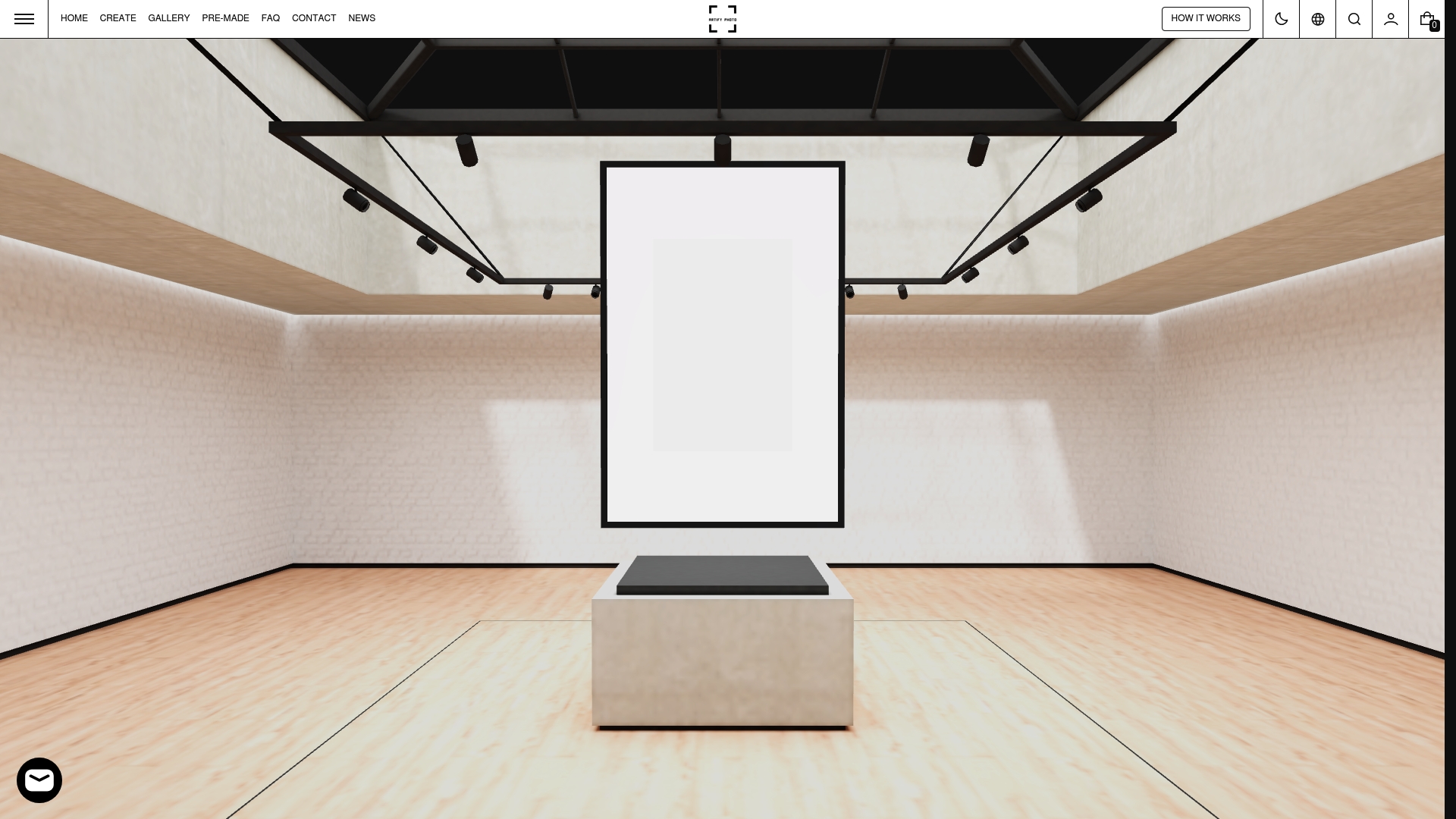
Start by browsing the pre-made collections for a ready-to-order statement piece, or visit the how it works page to upload a photo and configure your custom print. If you want flexible ordering, art generation credits let you build toward a custom piece at your own pace.
FAQ
What is statement art in simple terms?
Statement art is a single, intentional artwork that creates a clear focal point and defines a room’s mood and scale. It is chosen for presence and emotional impact, not just to fill wall space.
How big should statement art be?
A statement piece should span roughly two-thirds to three-quarters of the width of the furniture beneath it, and for open-plan areas should cover about 60–75% of the available wall space above key furniture like a sofa or bed.
Where should you hang statement art?
Center the piece at 57–60 inches from the floor to the artwork’s center. When hanging above furniture, position the bottom of the frame 6–8 inches above the furniture back so the piece reads as connected to the room.
Can a photograph work as statement art?
A high-resolution photograph printed at large format on museum-grade canvas or as a giclée print absolutely qualifies as statement art. Artify specializes in transforming personal photographs into exactly this kind of gallery-quality piece.
How much does custom statement art typically cost?
Custom statement art ranges widely by material and size. Museum-grade canvas prints typically run $120–$600 or more; textured hand-painted originals can reach $1,500 or higher. Pre-made pieces with personalization options tend to fall at the lower end of that range.