


TL;DR:
- Commissioning custom art allows you to create a unique piece that reflects your personal story and space. It offers a personalized, emotionally meaningful alternative to mass-produced prints, which often lack size and style flexibility. The process involves clear communication, collaboration, and understanding the value of artistic craftsmanship and vision.
Commissioning custom art is the process of working directly with an artist to create a one-of-a-kind piece designed specifically for your space, your story, and your walls. Unlike pulling a print off a shelf, a custom art commission gives you control over subject, scale, style, and emotional meaning. The result is artwork that fits your home the way nothing mass-produced ever could. If you have been wondering why commission custom art matters, the answer comes down to three things: originality, personal resonance, and design precision.
Why commission custom art: the core case
Custom art commissions are defined by collaboration. You bring the vision, the artist brings the craft, and the finished piece belongs entirely to your life and space. Commissioning art fosters a unique collaboration where clients shape the narrative and meaning of the piece. That is a fundamentally different experience from buying something pre-made.

Personalized art enhances wellbeing more than decorative art does, because it connects to your identity and values. A painting of your family’s favorite hiking trail hits differently than a generic mountain print from a big-box store. The emotional weight is real, and it shows up every time you walk past it.
Custom art is also a long-term investment. Original artwork appreciates in value and stays emotionally connected to its owner in a way that mass-produced prints simply do not. That combination of monetary and emotional return makes commissioning art one of the most defensible home purchases you can make.
How does the custom art commission process work?
The commission process follows a clear sequence. Understanding each step helps you avoid surprises and get a result you love.
-
Initial inquiry. The process starts with sharing details about the subject, size, budget, and purpose of the piece. The more specific you are here, the better. “A 24 by 36 inch oil painting of my grandmother’s farmhouse as a memorial gift” gives an artist far more to work with than “something rustic.”
-
Portfolio review. Study the artist’s existing work before you commit. Artists apply their signature style rather than fully changing their approach to match client requests. If you love their style, that is a green light. If you are hoping they will paint in a completely different way, look elsewhere.
-
Budget and timeline discussion. Be direct about what you can spend. Commission pricing ranges from $30 to several thousand dollars, depending on complexity, size, and the artist’s experience. Agreeing on a timeline and revision policy before work begins prevents friction later.
-
Creative development. The artist works on the piece, often sharing progress photos at key stages. This is not a photo reproduction. It is a creative interpretation, and that distinction matters.
-
Review and delivery. You review the final piece, request any agreed revisions, and approve delivery. Most professional artists ship with protective packaging and provide a certificate of authenticity.
Pro Tip: Tell the artist the emotional reason behind your commission. A memorial piece, a wedding gift, a celebration of a new home. Clarifying the emotional context helps artists calibrate their creative decisions to your purpose, which significantly reduces the gap between what you imagined and what arrives.
What are the advantages of custom art over mass-produced pieces?
Mass-produced art has one core problem: it was not made for your wall. Such art often appears squeezed or mismatched in size and offers little personal meaning. Custom art solves both problems at once.
Custom artwork acts as a visual anchor that integrates with your room’s architecture, scale, and textures. A piece commissioned to fill a specific wall above a fireplace will feel intentional in a way that a standard-size print never does. Interior designers call this architectural art integration, and it is one of the primary reasons custom art is now considered essential in high-end residential design.
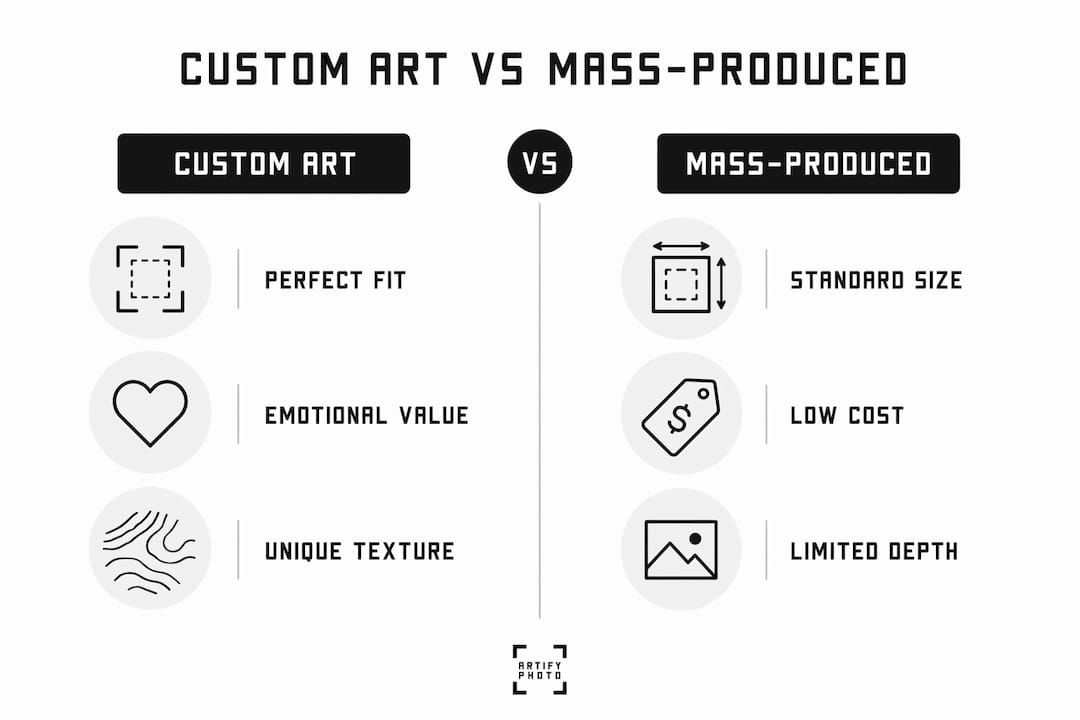
| Feature | Custom art | Mass-produced art |
|---|---|---|
| Size and scale | Made to fit your exact wall dimensions | Fixed standard sizes only |
| Originality | One of a kind | Identical copies sold widely |
| Emotional value | Tied to your personal story | Generic subject matter |
| Design integration | Matches your color palette and style | May clash with existing decor |
| Long-term value | Can appreciate over time | Rarely holds monetary value |
Custom art also introduces texture and depth that prints cannot replicate. Brushwork, layering, and physical medium create a tactile presence in a room. That presence changes how a space feels, not just how it looks.
Pro Tip: Think of a custom commission as a long-term investment rather than a decorating expense. Original artwork appreciates in both monetary and emotional value over time, especially when tied to a meaningful subject or a skilled independent artist.
Why hire an artist and how do you choose the right one?
Hiring the right artist is the single most important decision in the commission process. A mismatch in style or communication style will undermine even the best brief.
Choosing an artist whose style you genuinely love ensures the finished piece resonates more deeply, because the artwork reflects their established aesthetic through your subject. Do not commission a hyperrealist painter if you want something loose and expressive. The portfolio tells you exactly what you will get.
Beyond style, look at professionalism and communication. Read client testimonials with a focus on two things: did the artist communicate clearly throughout the process, and did the final piece match the client’s expectations? Those two factors predict your experience better than any technical credential.
Artists with more training and experience charge more because of the time, materials, and creative skill involved. That premium is usually worth it for a piece you plan to live with for decades. Entry-level commissions from emerging artists can be excellent, but set realistic expectations about complexity and finish.
Before you commit, ask these questions:
- What materials do you use, and how do they affect longevity?
- How many revision rounds are included in the price?
- Will you share progress photos during the process?
- What is your typical turnaround time for a piece this size?
- Do you have references from previous clients I can contact?
Clear communication about process and deliverables directly improves satisfaction. Artists who welcome these questions are the ones worth hiring.
How does custom art enhance interior design and personalization?
Custom art does more than fill a wall. It becomes an integrated architectural element that elevates the spatial experience and emotional ambiance of a room. That is a meaningful distinction from decoration.
The practical advantages for home interiors are specific:
- Scale precision. You can commission a piece that fills an awkward wall above a staircase or fits the narrow space between two windows. No standard print does that.
- Color matching. You can brief an artist on your existing palette, so the piece ties the room together rather than competing with it.
- Style alignment. Whether your home is mid-century modern, farmhouse, or maximalist, a commissioned piece can be built to match rather than compromise.
- Personal storytelling. Art that reflects your history, your family, or your values turns a house into a home. A portrait of your childhood neighborhood or a painting of the view from your first apartment carries meaning no catalog print can hold.
- Focal point creation. A well-placed custom piece draws the eye and anchors a room’s visual hierarchy in a way that generic art rarely achieves.
For a deeper look at how art placement affects room design, Artify’s guide on wall art in interior design covers scale, placement, and style in practical detail. If you are still deciding between custom and pre-made options, the breakdown of personalized art benefits is worth reading before you commit.
What budget factors affect the cost of commissioning art?
Budget is the conversation most people avoid, and it is the one that matters most. Transparent budget discussion is the foundation of a smooth commission. Pricing varies widely, and knowing what drives cost helps you make smarter decisions.
The main cost components are:
- Medium. Oil paint costs more than watercolor or digital illustration, both in materials and time. Sculpture and mixed media sit at the higher end.
- Size. Larger pieces require more materials, more time, and more physical effort. A 12 by 16 inch piece and a 48 by 60 inch piece are not in the same pricing category.
- Complexity. A portrait with three subjects, detailed backgrounds, and specific lighting is more demanding than a simple still life. Complexity drives hours, and hours drive cost.
- Artist experience. An artist with 15 years of exhibition history charges more than a recent graduate. Both can produce excellent work, but the risk profile is different.
- Revisions and extras. Some artists include two rounds of revisions. Others charge per change. Framing, shipping, and certificates of authenticity may or may not be included.
Never ask an artist to lower their price by undervaluing their time. If the quote exceeds your budget, ask whether a smaller size or simpler composition would bring the cost down. Most artists are willing to find a workable middle ground when the conversation is honest. You can also explore how personalized art kits are made as a more accessible entry point if a full commission is outside your current budget.
Key takeaways
Commissioning custom art is the most direct way to own a piece that fits your space, reflects your story, and holds both emotional and monetary value over time.
| Point | Details |
|---|---|
| Define your brief clearly | Share subject, size, budget, and emotional purpose before any artist conversation begins. |
| Match the artist’s style | Review portfolios carefully; artists paint through their own aesthetic, not around it. |
| Custom art fits your space | Commissioned pieces are sized and styled to your exact wall, room, and color palette. |
| Budget drives scope | Medium, size, complexity, and experience all affect price; adjust scope before asking for discounts. |
| Emotional context improves outcomes | Telling an artist why a piece matters helps them make better creative decisions for you. |
The honest truth about commissioning art
Artify has worked with hundreds of people who came to us after buying mass-produced prints they stopped noticing within a month. The pattern is consistent. They chose something safe, something that matched without meaning anything, and it showed up in how they felt about the room.
The clients who commission custom art describe a different experience. They talk about the piece before it arrives. They rearrange furniture around it. They tell guests the story behind it. That level of engagement does not happen with a print you pulled from a grid of identical options.
The part most people underestimate is the collaboration itself. Briefing an artist, seeing a work-in-progress photo, and watching something take shape from your words is genuinely satisfying. It is not just about the finished piece. The process of creating something with another person, something that did not exist before you asked for it, adds a layer of meaning that you carry into the room every day.
My honest advice: respect the artist’s creative voice. The best commissions happen when clients give clear direction on subject and purpose, then trust the artist to make it beautiful. Micromanaging every brushstroke produces stiff, compromised work. Give the brief, share the emotion, and let the craft do its job.
— Artify
Artify makes custom art commissioning straightforward
Artify connects you with independent artists who create gallery-quality custom wall art from your photographs and ideas. The process is built for people who want something personal, not something generic.
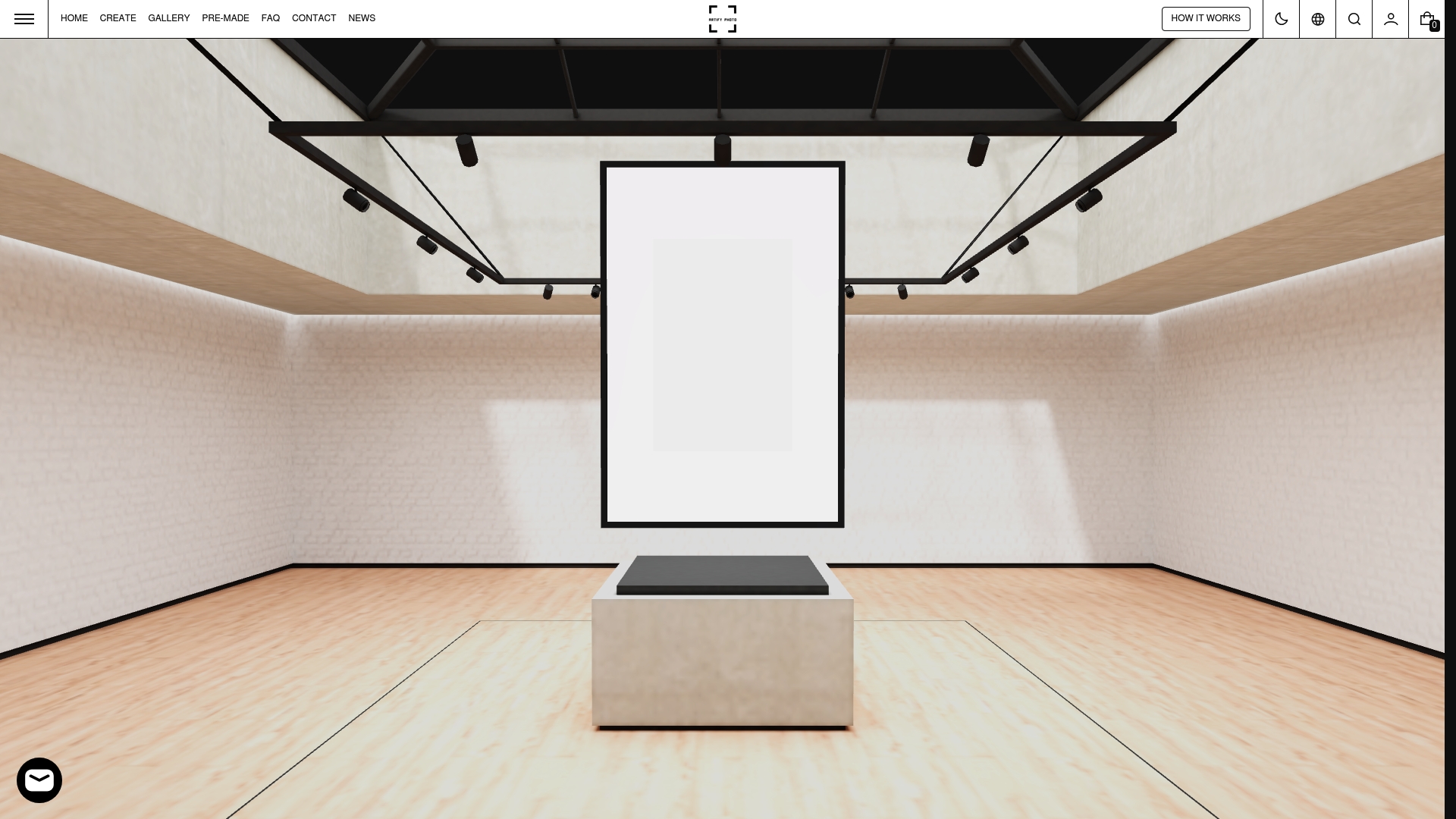
You can upload a photo, choose an artistic style, and work with an artist to produce a piece sized and styled for your specific space. Artify’s 3D room preview feature lets you see how the finished piece will look on your wall before it ships. If you are not ready for a full commission, Artify’s pre-made collections offer curated art inspired by landmarks, pop culture, and contemporary design. Either way, you leave with something worth looking at every day.
FAQ
What does commissioning custom art mean?
Commissioning custom art means hiring an artist to create an original piece designed specifically for you, based on your subject, size, style, and purpose. The result is a one-of-a-kind work that no one else owns.
How much does a custom art commission cost?
Commission pricing ranges from $30 to several thousand dollars, depending on the medium, size, complexity, and the artist’s experience level. Sharing your budget upfront helps artists propose a scope that works for both sides.
Why is custom art better than a mass-produced print?
Custom art is sized for your specific wall, styled to your room, and connected to your personal story. Mass-produced prints are made in fixed sizes for a generic audience and carry no personal meaning.
How do I choose the right artist for my commission?
Review the artist’s portfolio to confirm their style matches what you want, then check client testimonials for communication quality and accuracy. Ask about materials, revisions, and progress photos before you commit.
How long does a custom art commission take?
Timelines vary by artist and complexity, but most commissions take between two and eight weeks from brief to delivery. Agreeing on a timeline and revision policy at the start of the process prevents delays.